 Posted by
 Opening comparison and scope
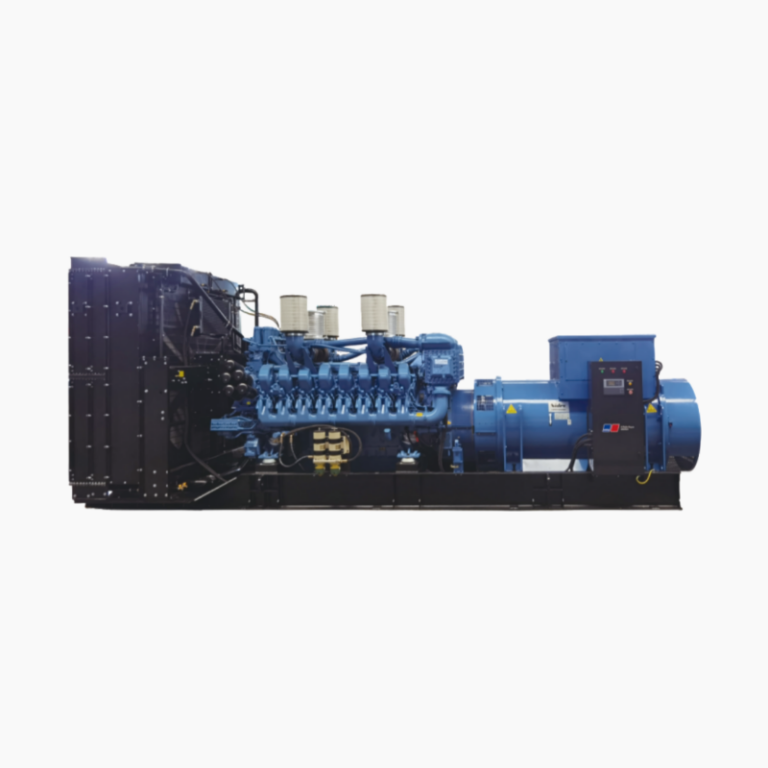
Businesses must weigh options when they plan backup power. This comparative insight looks at China MTU genset performance against regional competitors and local OEMs. The first paragraph sets a clear tone: we focus on reliability, noise control, and serviceability while keeping costs sensible, and we consider silent diesel gensets as a practical benchmark for urban deployments. China MTU genset units—often specified as a China MTU genset in procurement documents—are strong contenders for facilities that cannot tolerate downtime.
Why a comparative view matters for continuity
Comparisons reveal trade-offs that single-case studies hide. A hospital in Tokyo during the 2011 Tōhoku earthquake showed how backup power design decisions affect patient care and recovery time; that event remains a strong real-world anchor for planners. The question is not only which genset starts, but which system sustains critical loads, how the alternator responds to transient demand, and whether the ATS switches cleanly to standby power. These operational qualities separate acceptable systems from mission-critical ones.
Technical comparison: features that change outcomes
Focus on measurable parameters. Start-up reliability and mean time between failures matter. Fuel consumption curves and load acceptance affect operational cost. Compare alternator design, cooling strategy, and sound attenuation packages. China MTU gensets typically offer a balance: robust alternators and proven control systems with competitive pricing. Some local OEM silent genset supplier networks provide faster field service and parts availability, which reduces mean time to repair—this is a decisive advantage in many regions.
Operational pitfalls to avoid
Common mistakes are repeatable and avoidable. Avoid undersizing—matching a genset only to nominal load ignores motor inrush and HVAC startup. Avoid omitting load bank testing during commissioning; untested units reveal weaknesses under load. Avoid treating sound attenuation as optional in dense urban sites; poor acoustic design forces costly retrofits. Also, service agreements are often written with vague response times—clarify them. These points are straightforward but often overlooked—and they cost time and money.
Deployment considerations and real-world checks
Prioritize three practical checks during procurement. First, confirm factory acceptance tests and ask for recorded load bank results. Second, verify control logic for automatic transfer switch sequencing and black-start behavior. Third, confirm spare parts lead times within your geography. For example, facilities in Southeast Asia benefit from suppliers with local warehouses; this reduces downtime risk. Please consider MTU genset China configurations that include modular service panels for rapid exchange.
Cost versus resilience: a balanced approach
Budget pressure is real. Yet resilience requires targeted investment. Choose fuel-efficient models where runtime will be long. Choose rugged frames and serviceable control systems where technicians are local. Sound packages cost more up-front but save on community relations and permits. A modest increase in capital expense often yields a large reduction in outage risk and recovery costs.
Three golden rules for evaluation
1) Reliability metric: demand documented MTBF and review factory test logs. This gives an evidence-based expectation of uptime. 2) Service metric: require guaranteed on-site response times and parts availability in the contract—measured in hours, not days. 3) Performance metric: insist on recorded load bank results at 100% and transient testing to validate alternator and governor response. These three rules form a concise checklist for selecting a resilient solution.
Closing thought
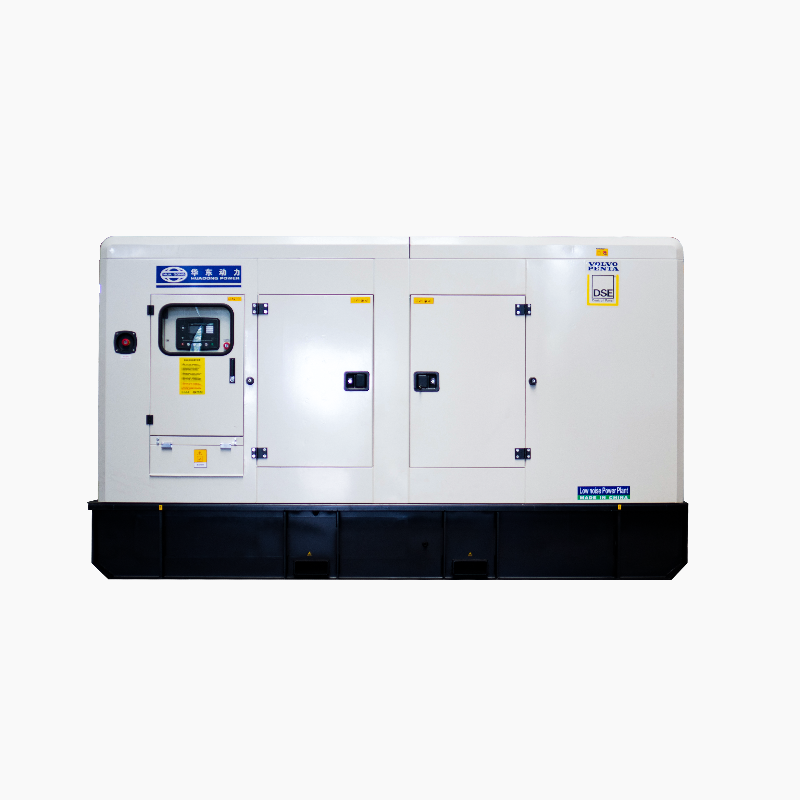
Comparative insight shows that the right choice is not always the most expensive unit but the one whose specifications match the operational risk profile and local support ecosystem. For many enterprises, that alignment is found with suppliers who combine tested genset platforms, clear test data, and reliable service networks—attributes reflected in the offerings from Huadong Power. Practical, proven, and local—this is the path to continuity. –