 Posted by
 Setting the Stage: How V4 Power Plays Out in Real Traffic
Define the platform first: a V4 places four cylinders in two compact banks for balance, tractable torque, and a tight package. You feel it most when the road gets messy. A v4 bike handles stop‑and‑go, mid‑corner corrections, and quick passes with less drama, because the firing order smooths load on the rear tire. In weekday traffic, riders can make over 40 micro-inputs per minute—tiny throttle lifts, brake taps, and steering nudges. That’s where the v4 cruiser motorcycle shows its hand. Does the platform reduce fatigue or just move it around?

Picture this: dawn commute, cold start, lane merges ahead. The bike warms fast; the torque curve comes in early; the chassis stays composed. Yet heat, weight transfer, and clutch work still build up. Data says consistent low‑RPM stability cuts error rates in tight maneuvers by double digits. So which traits matter most when the ride gets long—and the city won’t let up? Let’s map the problem space and then go deeper.
The Hidden Fatigue Traps in Traditional Cruisers
Where does fatigue start?
Direct answer: it starts with uneven delivery. Big twins can hit hard off idle, then flatten; inline‑fours wake up late in the powerband. Both make you hunt for gear ratios to keep the bike calm. Over time, that micro‑management wears you down. Vibration peaks at certain RPMs bypass the counterbalancer’s sweet spot. Heat soak creeps up under the seat in slow traffic. Throttle mapping can feel either herky or sleepy, so you overcorrect. Look, it’s simpler than you think—your brain is doing closed‑loop control the ECU should be handling.
Three pain points recur. First, low‑speed precision: vague clutch take‑up and lazy fueling make U‑turns and tight exits harder than they should be. Second, thermal load: poor airflow around the powertrain and weak heat shielding punish the rider at lights. Third, input latency: older ECUs and cable throttles delay response just enough to break rhythm—funny how that works, right? The V4 layout addresses these by spreading pulses, stabilizing rear‑tire grip, and allowing cleaner ride‑by‑wire calibration. With steadier torque steps and finer injector control, the bike trims the “busywork” you used to do with your right hand.
Comparative Outlook: Why V4 Tech Rewrites the Daily Ride
What’s Next
Shift the lens forward. The latest control stacks fuse an IMU with ride‑by‑wire, so the ECU can pre‑shape torque based on lean, pitch, and surface noise. On a modern v4 cruiser, that means smoother corner entries and cleaner exits without harsh cuts. Traction control now modulates by gradient, not just slip rate. Semi‑active damping tames weight transfer over patched asphalt—small bumps vanish, big hits stay readable. Meanwhile, CAN bus chatter lets subsystems talk fast, so throttle, engine braking, and slipper clutch logic stay in sync. The result is a calmer cockpit and fewer surprises, especially when you’re lane‑sharing or feathering brakes at walking pace.
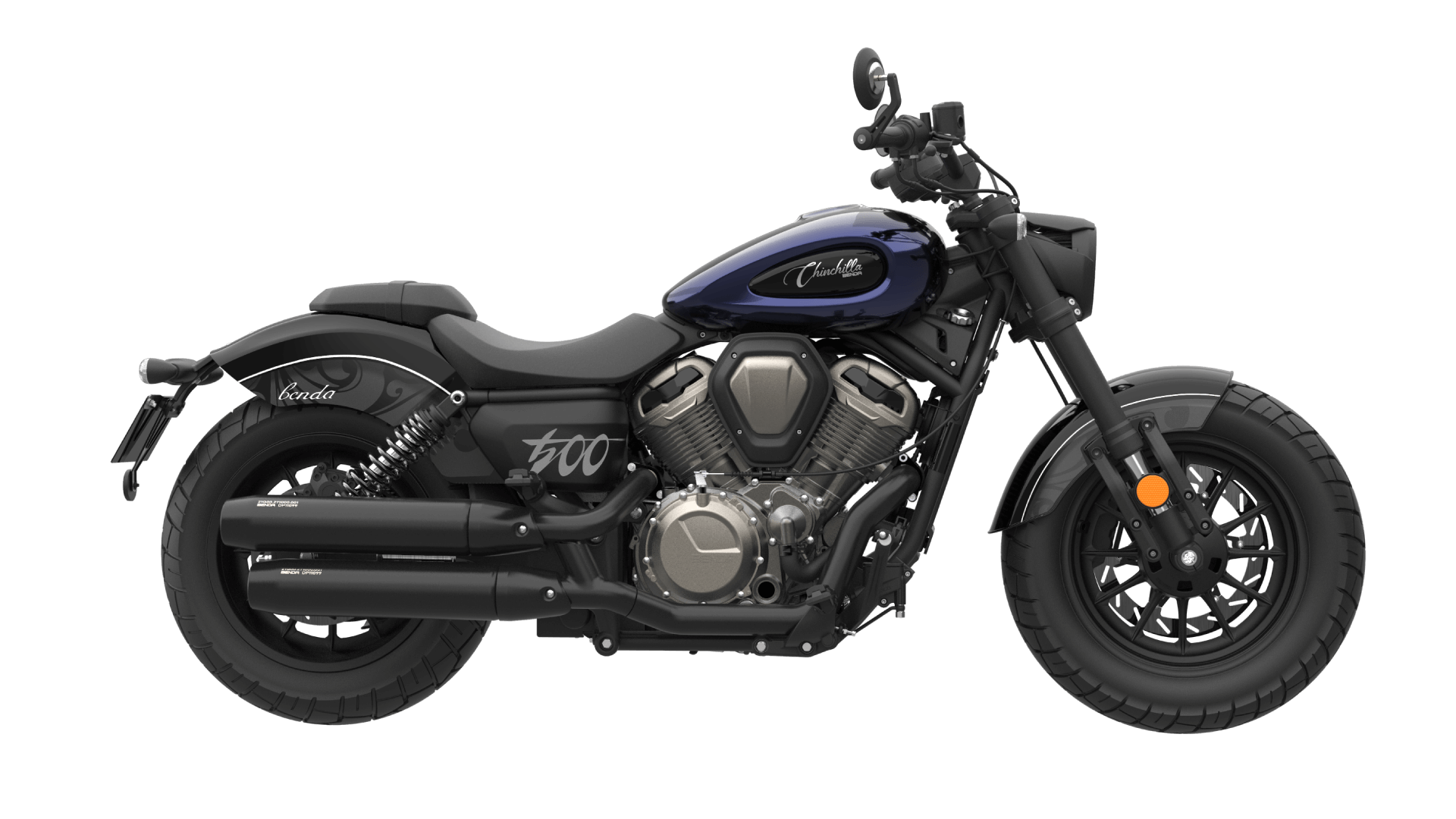
Thermal and NVH are improving too. Better airflow paths, denser catalytic cores, and targeted vibration damping keep hot spots and buzz in check. Even fan logic is smarter: it spins sooner, then backs off to avoid heat spikes. Expect next‑gen ECUs to learn your patterns—micro‑adapting throttle maps for smoother low‑RPM torque without dulling response. In short, the bike will carry more of the cognitive load—so you can scan mirrors, read traffic, and stay fresh longer. Summing up: steadier torque steps reduce gear shuffling; faster control loops cut input lag; smarter cooling lowers stress—funny how the smallest tweaks add up.
Choosing well? Use three clear metrics. 1) Low‑RPM smoothness: test third‑gear roll‑ons at 30–40 km/h and feel for surge or sag. 2) Control latency: check if ride‑by‑wire and engine‑brake levels feel immediate yet predictable during trail braking. 3) Thermal comfort: ride 10 minutes in dense traffic and note seat and inner‑thigh heat rise. If a platform scores steady on all three, it will feel easier at the end of a long week. Knowledge grows by testing, not guessing—and the best tools help you ride more and manage less. BENDA