 Posted by
 Introduction
Here’s the thing: in a small city with tall homes, the light over your foyer sets the tone for everything else. nan pops up when calculators blur out, but your lighting plan cannot blur, lah. If you’re eyeing a classic centrepiece like a chain crystal chandelier, you’re juggling weight, sparkle, and safety. Real talk: energy prices climb, cleaning crews cost more, and guests still judge your taste at the door. Let’s get practical. A chandelier is not just bling; it is a system with optics, load rating, and a driver that governs stability and brightness. Data-wise, a high-CRI fixture can make warm stone and timber look richer by a mile, yet poor lumen output can flatten the space. So, how do you pick something that looks luxe, runs cool, and lasts?
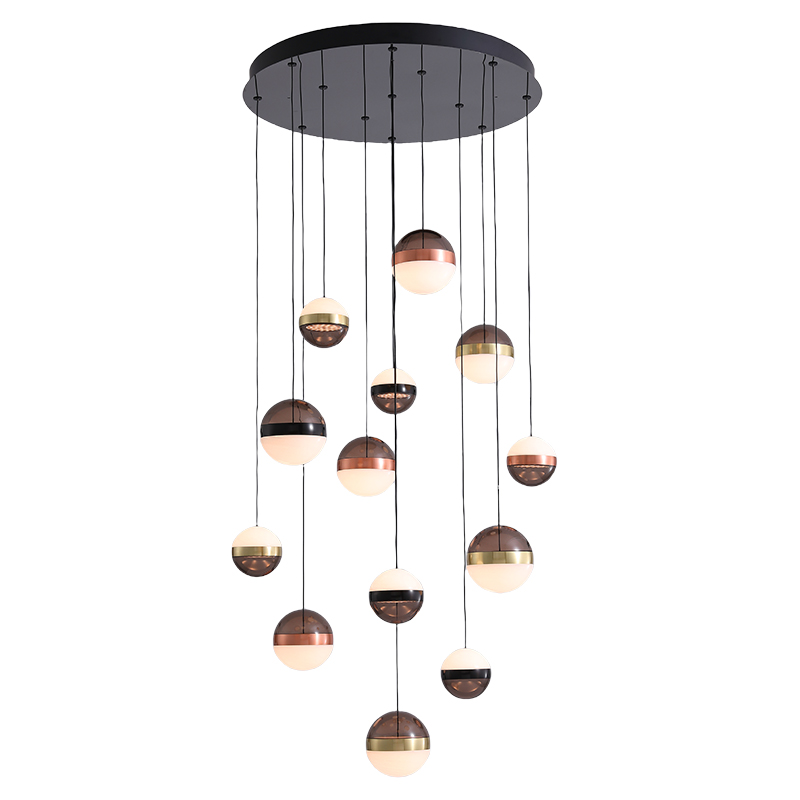
We’ll compare what old-school setups do vs what newer builds can solve, and why it matters for Singapore homes and lobbies. The aim is simple: fewer surprises, fewer callbacks, and a safer install (no drama, please). I’ll keep it straight and short where it helps — and drop in the key terms so you can talk to your contractor with confidence. Ready? Let’s move from the pretty pictures to the real-world choices.
Hidden Flaws Behind the Shine
What’s the catch?
Start with the metal and the chain, not the crystals. Many legacy chandeliers look sturdy, but the chain gauge and plating can tarnish fast in humid air. Load rating is often unknown, and the canopy anchors may not match the slab type. That’s a safety red flag. Next, optics: older halogen builds threw heat, glare, and uneven beam angles. Swap in cheap LED bulbs and you can get flicker if the driver is poor — funny how that works, right? Low CRI makes marble go dull; weak lumen output leaves the foyer gloomy. Cleaning is another pain point. Dust sits on facets, and if the fixture lacks a sensible hang height or quick-release links, maintenance becomes a circus.
Then come the controls. Legacy dimmers struggle with mixed lamps. TRIAC might buzz; 0–10V may not match your wall plate; DALI is overkill in a small flat. Without proper thermal paths and a decent heat sink, drivers cook and fail early. And when the fixture is 5 metres up, every failure hurts your wallet. Look, it’s simpler than you think: plan for serviceability. Choose modular parts. Ask about IP rating if the foyer opens to wind. Demand clear photometrics and an install method that fits your ceiling plate. The fancy crystals are the easy part. The hard part is keeping them bright, stable, and quiet over time — no sway, no hum, no surprises.
Comparative, Forward-Looking Choices
What’s Next
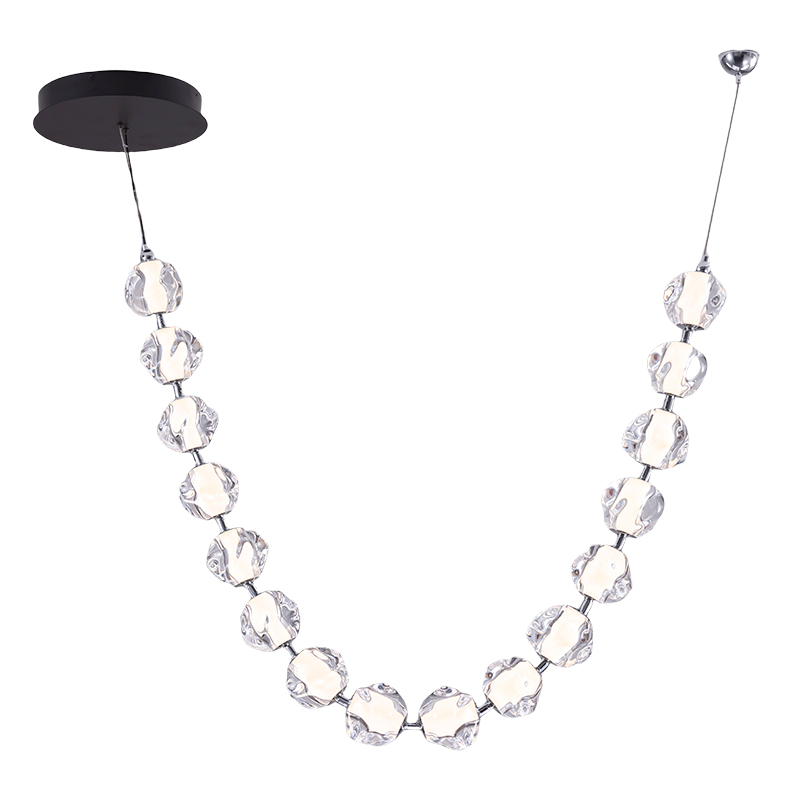
Newer builds fix many of those woes by design. Modular LED engines with constant-current drivers keep brightness steady and reduce flicker. Better power factor and surge protection help with grid blips. Optics get smarter too: prismatic acrylic or cut glass can shape light while controlling glare, keeping UGR in check. Anti-tarnish finishes and stainless steel 304/316 hardware resist humidity, while load-tested suspension cables protect the whole stack. Add Bluetooth Mesh or Zigbee if you want scene control without headaches. In larger entries, you can compare spec sheets for lumen per watt and beam spread, then pick a form that matches the ceiling volume. If you’re considering statement pieces like modern entrance hall chandeliers, look for documented photometrics and a service plan. Technical, yes — and no, you don’t need a PhD for this.
Pulling it together, here are three metrics to guide your choice and save future costs. One: Structural safety. Confirm load rating, anchor type, and UL/CE certification for the full assembly, not just parts. Two: Optical quality. Target CRI 90+ with adequate lumen output for your volume; check beam angle and a low glare index for comfort. Three: Controls and upkeep. Specify the driver type (dimming protocol that matches your wall gear), modular LED boards, and a clear method for cleaning and part swaps. This way, you get the sparkle without the stress, the look without the noise — and the peace of mind to enjoy the entry you paid for. For reference builds and specs that show these principles in action, see kinglong.