 Posted by
 From Floor Chaos to Flow: Why Control Alignment Matters
An AMR control stack is more than software; it is the bridge from sensor data to safe motion. At its core, an amr controller synchronizes perception, planning, and actuation. Picture a busy assembly cell where totes pile up because two robots hesitate at a narrow aisle. The clock ticks. In several audits, we’ve seen 10–18% cycle loss from small routing stalls and battery swaps that drift off schedule. Pick the right industrial robot amr controller, and you set rules that close these gaps—fast loops, clean priorities, and stable handoffs. The data is simple: fewer collisions, shorter dwell, higher picks per hour. But why do so many systems still feel laggy after “optimization” (and a dozen config files)?
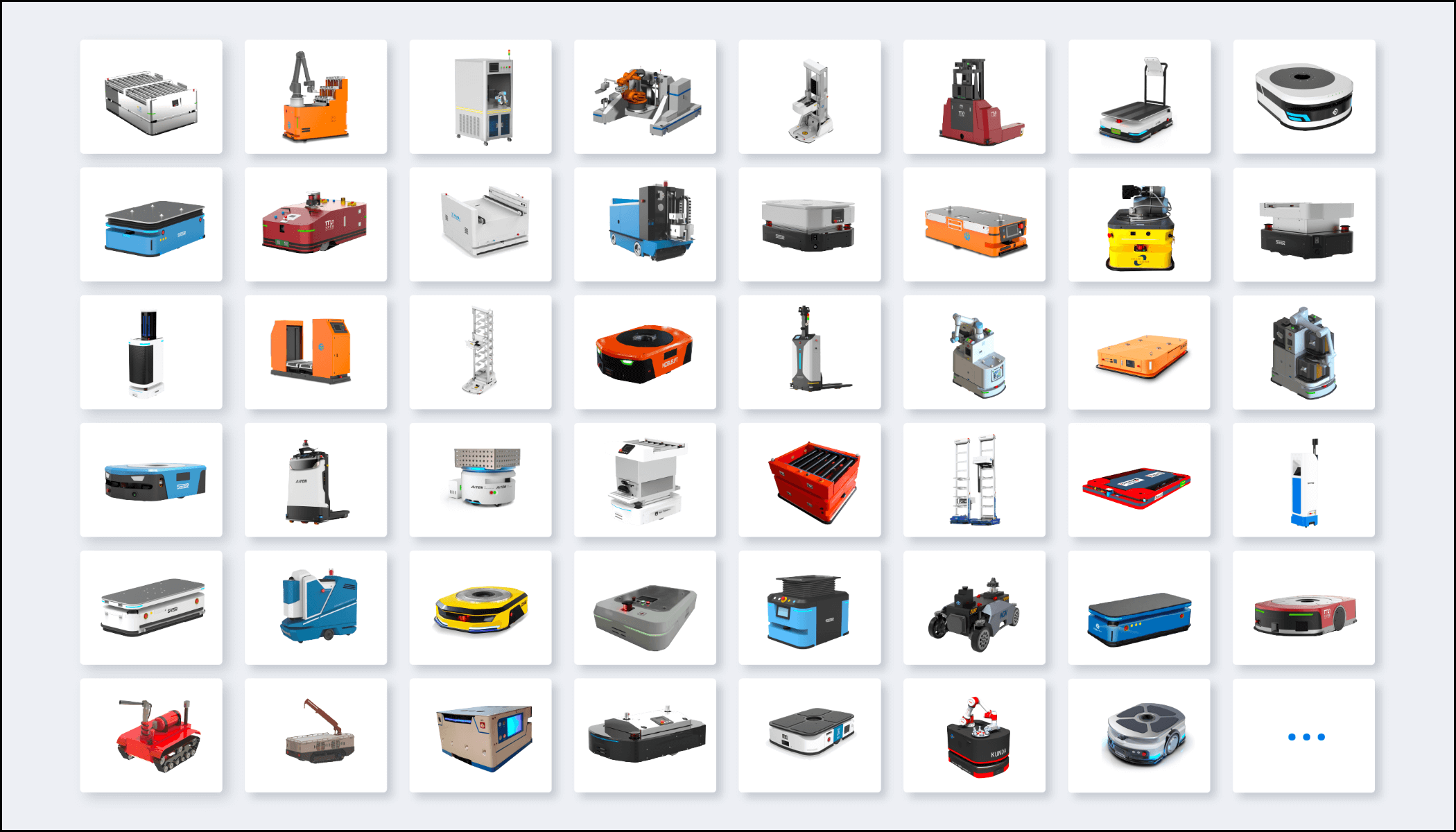
Here is the deal. Most issues hide in the control layer, not only in the map. Edge computing nodes, trajectory planners, and power converters must act as one team. When they don’t, you get jitter. You get missed slots at conveyors. You get charge cycles that fight the schedule. So, the question: how do we make the control plane match the work, not the other way around? Let’s unpack the gaps and then compare the smarter paths forward.
Hidden Fault Lines in Traditional Control Stacks
Where do the bottlenecks hide?
Legacy stacks often split perception, planning, and drive into silos. A SLAM process talks over a slow bus. A trajectory planner runs without deterministic control loops. The drive gets commands through a mixed CAN bus and Ethernet patchwork—funny how that works, right? When latency spikes, robots pause at intersections. The WMS then floods the queue, and throughput slips. With older middleware, QoS is an afterthought, so messages arrive late or out of order. Look, it’s simpler than you think: if the control loop misses its window, even by tens of milliseconds, the robot chooses “safe wait” over “confident go.” That wait adds up across shifts.

There’s more. Traditional solutions favor “one-size-fits-all” profiles. They set fixed speed caps and generic obstacle rules. In tight rows, that creates a stop-and-creep pattern. Battery management systems trigger conservative returns because charge state is not fused with task urgency. And field upgrades? Many tools force a full downtime for firmware and planner updates. No rolling updates, no graceful fallbacks. The result is a system that looks fine in a demo cell but stumbles in live flow. Modern lines need EtherCAT for stable actuation, timed LiDAR fusion, and health checks that catch drift before it hurts KPIs. Without that, ops teams chase symptoms, not causes.
Comparative Insight: Principles That Lift Control from Good to Great
What’s Next
Now, compare two paths. Path A patches bottlenecks with bigger maps and more rules. Path B upgrades the control plane with new technology principles. In Path B, ROS 2 with tuned QoS runs the message backbone. The planner and the drive share time sync, so control cycles hit the mark. Edge computing nodes run local checks, then push compact signals upstream. LiDAR fusion aligns with camera frames on the same clock. Result: smoother turns, fewer stalls, less charge panic. This is where an industrial robot amr controller earns its keep—by making synchronization boring and reliable (the good kind of boring).
Consider the real-world impact. With deterministic control loops and EtherCAT drives, intersections clear faster. With adaptive charge logic tied to task priority, the battery plan serves the line, not the other way around—funny how that works, right? Updates shift from outages to rolling deploys. A test robot runs the new planner while others stay on the last stable build. If a fault appears, the system rolls back in seconds. Meanwhile, the trajectory planner learns from lane density and tunes path curvature. The payoff isn’t flashy. It shows up as steady takt, cleaner handoffs, and calmer operators. Different vibe, same floor—better results.
Key takeaways so far: stalls often come from timing, not maps; silos create jitter; and sync across sensing, planning, and actuation beats any single “smart” feature. Next up is selection. Choose with discipline, and you’ll lock in flow rather than chase fixes.
How to Choose with Confidence
Use these three metrics to evaluate any control stack, fast and fair. First, timing fidelity: measure end-to-end loop latency under load, including SLAM, path planning, and drive over EtherCAT; target tight jitter bounds, not just average latency. Second, recovery behavior: test fault drills—sensor dropout, packet loss, and motor trips—and verify safe, fast fallbacks with clear QoS policies and no long stalls. Third, upgrade resilience: confirm canary deploys, version pinning, and instant rollback without taking the fleet offline. If a vendor can’t show data on these three, keep looking. The right choice will feel uneventful in the best way. Flow becomes normal. Teams spend time improving work, not babysitting robots. For steady guidance grounded in control principles, see SEER Robotics.