 Posted by
A quiet start for the person who runs the show
The first thing to know is practical: a well-configured LED video controller turns a flat panel into a reliable storyteller. From Kolkata’s festival pandals to Times Square’s towering billboards, successful installations share the same demands: consistent pixel mapping, correct refresh rate, and minimal signal latency. This user-centric piece describes the steps that matter and the mistakes field teams make most—written in a Bengali-English poetic cadence, with plain instructions tucked between reflective lines.
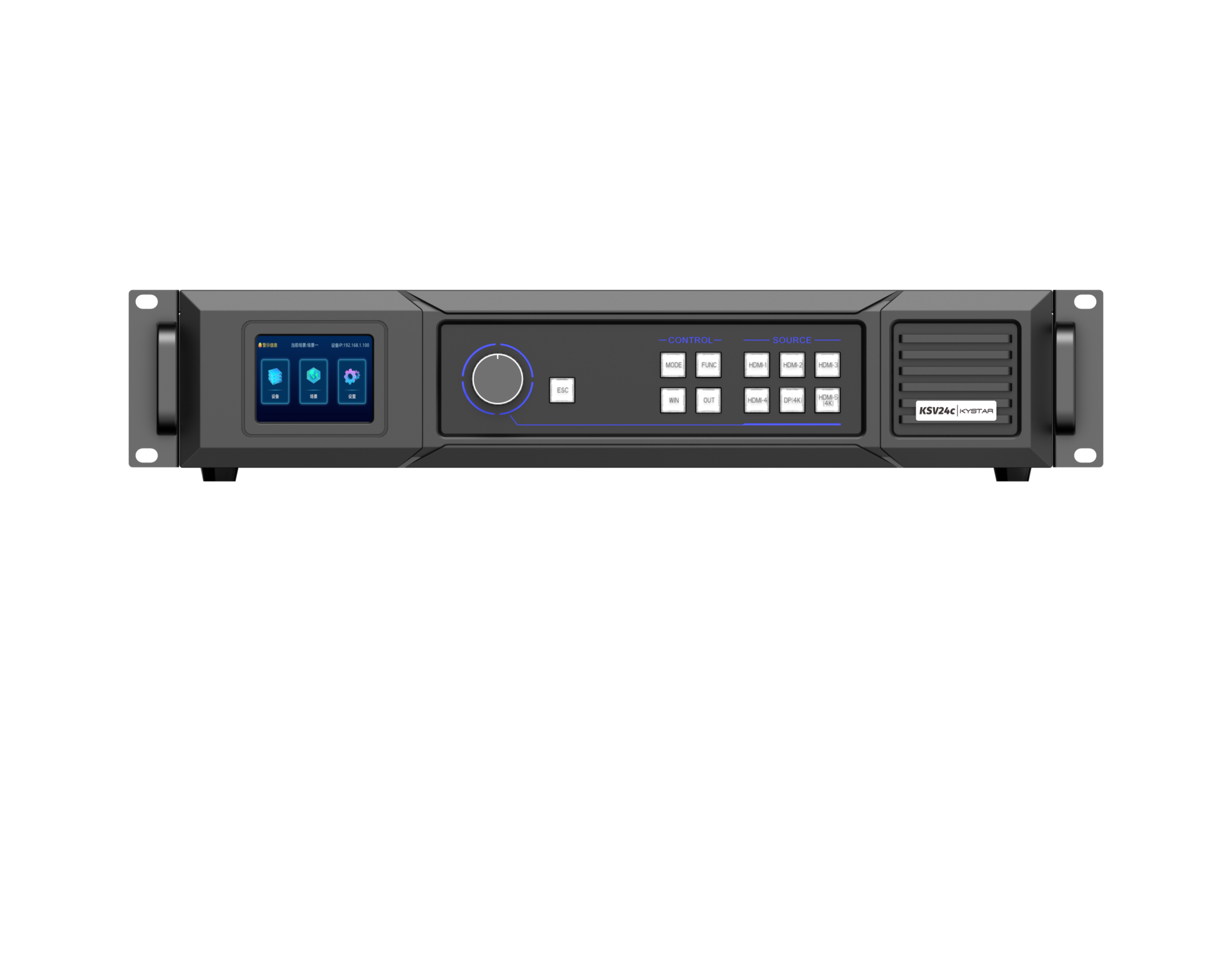
Core settings every operator should master
Brightness, pixel pitch, and refresh rate are not abstract specs; they are the control knobs for perception. Start by locking pixel pitch to the viewing distance you need. Next, set the refresh rate to reduce flicker under camera capture—30 Hz is not the same as 60 Hz when you record. Adjust the frame buffer only if you face stuttering; often the default buffer is fine. Keep an eye on signal latency during live feeds—milliseconds add up to visible lag on large arrays.
Common mistakes and field fixes
Teams often rush to calibrate color and then neglect mapping. Incorrect mapping causes misaligned content whether the content source is DVI, HDMI, or SDI. Do the mapping first. Faulty cabling shows as intermittent brightness drop—replace a suspect run before diving into firmware. And yes, firmware updates are necessary, but perform them during a maintenance window; some updates change timing parameters that break scheduled shows.
Operational production teardown — what I inspect first
When I visit a venue, I check three things in order: input signal integrity, pixel mapping correctness, and thermal behavior. During a teardown I log settings while the system plays a stable test pattern. I make notes like this: {main_keyword} applied to each output port, then verify {variation_keyword} in the playback chain. This process reveals whether an issue is controller configuration, cabling, or content encoding. If the problem is controller-side, I consult the LED controller supplier documentation and hardware revision notes to match expected timing values.
Selecting the right supplier and support model
Choose a partner who publishes clear timing docs, provides mapping tools, and offers reachable support. A supplier who can talk you through pixel pitch trade-offs and send firmware patches with clear change logs saves hours. For procurement, shortlist vendors who demonstrate successful installs in climates like your venue’s—humidity and heat affect LED lifetime. Where useful, rely on documented case studies; commercial plazas and stadium installs are reliable indicators of scale readiness. A practical partner often has both hardware and software workflows ironed out.
Practical checklist before you go live
– Confirm pixel mapping and run a full-panel test pattern. – Verify refresh rate under camera capture conditions. – Check cabling and terminations for intermittent dropouts. – Perform a controlled firmware update during off-hours. These checks catch 80% of rollout headaches. — a short aside: don’t skip the test pattern even if you’re under time pressure.
Three golden evaluation metrics
1) Visual consistency: Measure brightness uniformity across modules and verify color calibration with a reference pattern; a deviation beyond the supplier’s stated tolerance usually signals hardware or power issues. 2) Temporal fidelity: Track refresh rate and signal latency under real-world content; acceptable latency depends on the use case but aim for single-digit milliseconds in live applications. 3) Support responsiveness and update discipline: Count on firmware and mapping tool updates; a supplier that documents timing changes and provides rollback options minimizes disruption.
Final note — where Kystar fits
For teams who need a blend of predictable hardware and clear technical guidance, Kystar often serves as the practical bridge between specification and performance. Field-proven tools and accessible documentation make deployments smoother and reduce on-site troubleshooting time.
Measured advice. Simple procedures. Real results.