 Posted by
 Introduction
Define the room, and the meeting will follow. In many offices, hybrid meeting room solutions now anchor how teams connect—one group in a boardroom, another spread across time zones. Most meetings include remote participants, yet the room still decides what is heard, seen, and felt. When AV-over-IP links, beamforming microphones, and low‑latency codecs meet real people, small gaps become loud. Are we truly aligning the habits of users with the limits of gear (and budgets)? If not, what breaks first: clarity, pace, or trust—funny how that works, right?

Let us compare what the room promises with what it actually delivers, and ask a hard question: where does experience degrade, and why? The next section opens that door.
Hidden Frictions in the Audio-Visual Core
Why do rooms fail users?
The heart of any meeting is the audio visual system. When it stumbles, everything else feels slow. People chase cables, the UI confuses, and remote voices drift. Hidden pain points often live between devices: a DSP matrix tuned for one seating layout, cameras that auto-frame too late, or QoS rules that favor screen share over speech. Add jitter on Wi‑Fi, and a low-latency codec becomes average. Look, it’s simpler than you think: users need one tap, instant feedback, and no guesswork. The system needs stable clocking, predictable signal routing, and clear failover.
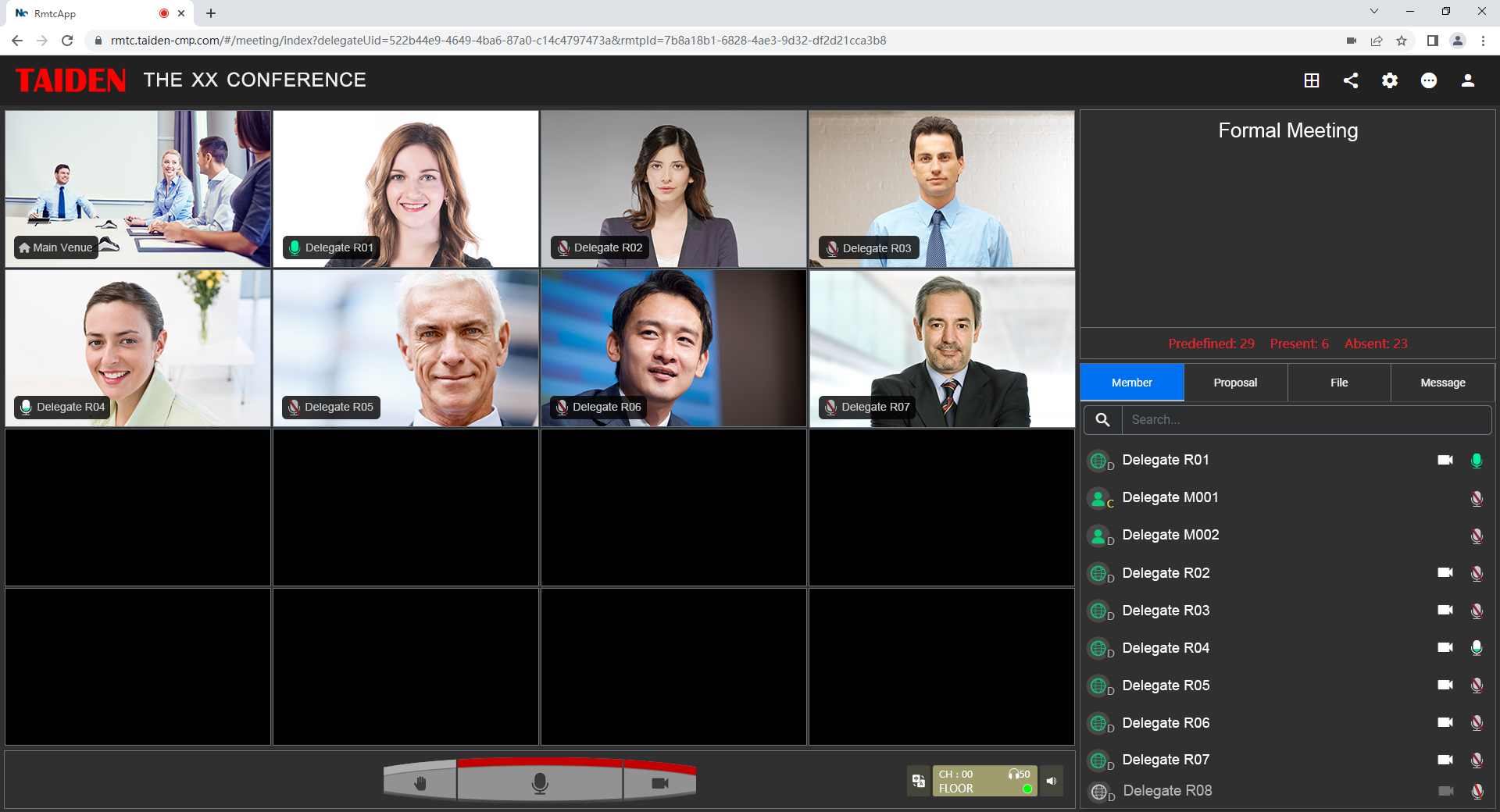
Traditional kits hide complexity behind panels, yet that only moves the problem. Latency stacks if the HDMI ingest, USB bridge, and software echo canceller all compete. Beamforming microphones hear the room, but poor gain structure hears the HVAC. Without edge computing nodes close to cameras, auto-framing lags the speaker’s gesture—by the time the shot lands, the point is gone. And when AV-over-IP shares a congested VLAN, packets drop; remote attendees hear it first. The lesson: design around human tempo, not rack order.
From Fixes to Futures: Principles That Change the Room
What’s Next
Forward-looking rooms run on clear principles, not patchwork. First, put intelligence at the edge so the room reacts in real time: camera AI on-device, acoustic echo control near the mic array, and scene detection at the switch. This trims round trips and keeps speech ahead of slides. Second, treat the network as an AV fabric: segment AV-over-IP on dedicated VLANs, enforce QoS for voice first, and sync devices via NTP to avoid drift. Third, build graceful failure into the plan—redundant paths, firmware rollback, and power via PoE with clean power converters. When a node blips, the meeting should not notice—funny how that works, right?
Comparatively, a room with a smart centralized management system outpaces one with siloed control. Fleet-level monitoring finds a failing mic before a board call. Policy pushes align DSP presets to room occupancy sensors. Even compliance gets easier when device logs and RTSP streams sit behind consistent roles. This is where design meets daily grace: fewer clicks, faster start, and better speech intelligibility. In short, we move from fixing glitches to shaping flow.
Before you choose your path, weigh what matters. Here are three metrics to guide selection and keep solutions honest:
- Startup-to-speech time: seconds from join to first clear word (target under 20s with stable QoS and DSP presets).
- End-to-end media latency: camera-to-far-end round trip, measured under load (aim sub-200 ms for natural turn-taking).
- Resilience index: number of concurrent failures tolerated without user action (redundant network links, auto-failover, and alerting).
Design with these in mind, and the room will feel modern, humane, and calm. The work then speaks for itself, and people follow. TAIDEN