 Posted by
 Picture this: a 2023 farming season, and your yield could make or break your business. Statistics show that 70% of agricultural operations are now adopting precision technologies. This shift leads to a substantial increase in efficiency, particularly with tools like the steer ready autosteering system. But what if I told you that the implementation could be fraught with pitfalls? Today, I’ll break down the five critical mistakes to avoid when stepping into the realm of autosteering technology.
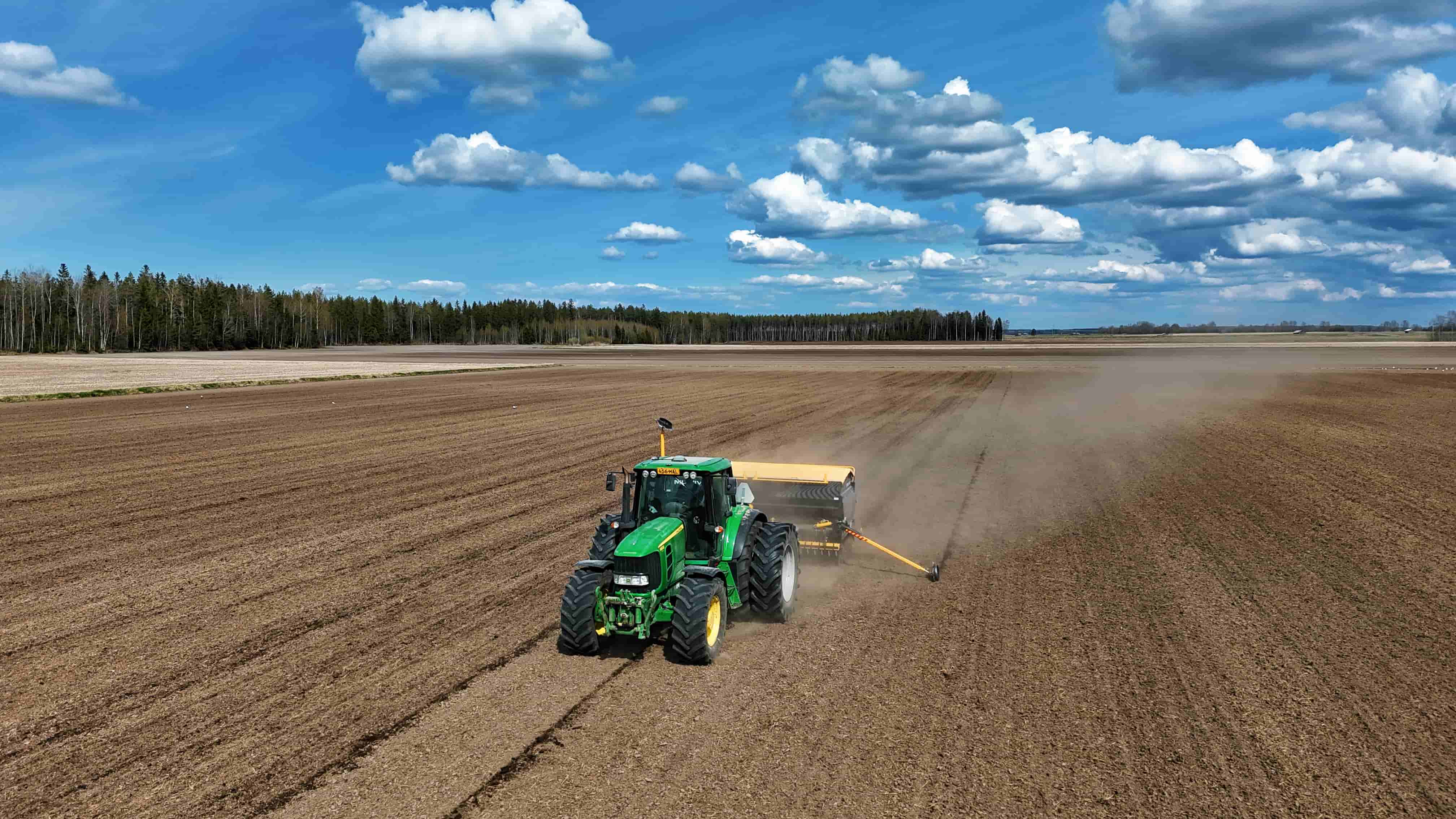
1. Neglecting Proper Training
I firmly believe that no matter how advanced your equipment is, its success hinges on the operators’ understanding of the technology. For instance, I vividly recall assisting a farmer who, despite having the latest autosteering system, struggled due to insufficient training. This oversight led to unoptimized field coverage and wasted fuel. Investing in comprehensive training not only builds confidence but maximizes the capability of the steer ready autosteering system.
2. Overlooking Integration with Existing Systems
Imagine driving a luxury car on a bumpy road without balancing the tires. That’s akin to ignoring system integration. A common mistake is failing to ensure that your autosteering system works seamlessly with existing machinery and software. I’ve seen instances where autonomous features are underutilized because farmers don’t link their new tech with their traditional setups. Harmonizing the steer ready autosteering system with other tools can truly enhance productivity.
Why Does Connectivity Matter?
When devices communicate effectively, you gain valuable data insights. Whether it’s optimizing planting patterns or managing water resources, every byte of information can lead to greener pastures (literally!).
3. Ignoring Data Analysis
Many users overlook the power of data. You’re investing thousands in a steer ready autosteering system—don’t let the analytics go to waste! I remember discussing with a fellow farmer about the missed opportunities in real-time data analysis. With every season, not utilizing gathered data can mean repeated mistakes. Implementing a plan to dissect this data leads to meaningful adjustments and leaps in efficiency.
4. Rushing the Adoption Process
There’s a temptation to jump straight into using new technology without adequate testing. It’s just like trying to bake cookies without properly measuring the flour (yikes!). I’ve been in your shoes; the excitement is real. However, taking a step back for thorough testing helps avoid operational disruption later on. Don’t let a rushed implementation undermine the potential of your steer ready autosteering system.
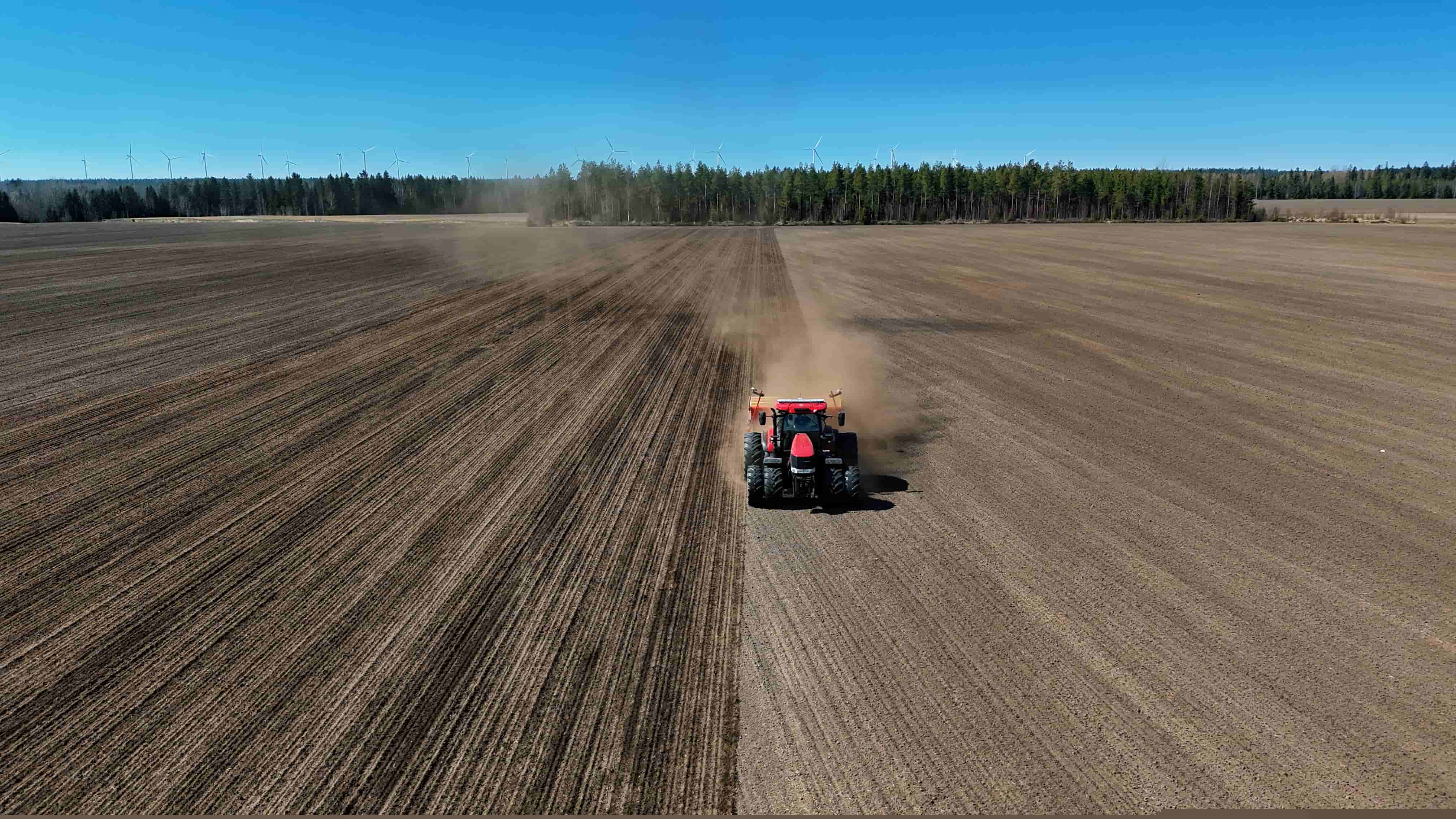
What’s Next for Users?
The landscape of modern agriculture is rapidly evolving, and the success of these technologies hinges on your approach. It’s essential to remain adaptable, future-focused, and open to feedback from operators who have firsthand experience with the technology.
5. Failing to Engage with the Support Community
The agricultural tech community is rich with resources, yet I often notice new adopters ignoring the wealth of knowledge available. Whether it’s forums, local workshops, or dedicated support from companies like EFIX, engaging with this community can provide insights that steer you clear of common pitfalls. Personal anecdotes from experienced users can save you time and costly mistakes.
To summarize, the road to integrating a steer ready autosteering system isn’t without challenges. However, by avoiding these five mistakes, you position yourself and your operation for success. Remember, effective training, system integration, data analysis, thoughtful adoption, and community engagement are critical components of achieving efficiency in your agricultural endeavors. When you approach technology with intention, the sky is the limit!
In the end, the lessons learned can become a lighthouse guiding your investment decisions. So, let’s stay sharp and make the most of these innovations together!