 Posted by
 5 Reasons Why You Should Embrace Industrial Welding Robots to Optimize Your Operations
Imagine walking into a manufacturing plant where the air is thick with the sound of welding sparks, but the pace of work is steady and efficient. A recent study suggests that integrating automated systems like industrial welding robots can lead to a staggering 30% boost in productivity. Are you ready to elevate your operations? Now, let’s delve into why buying a robotic arm could be your next best move.
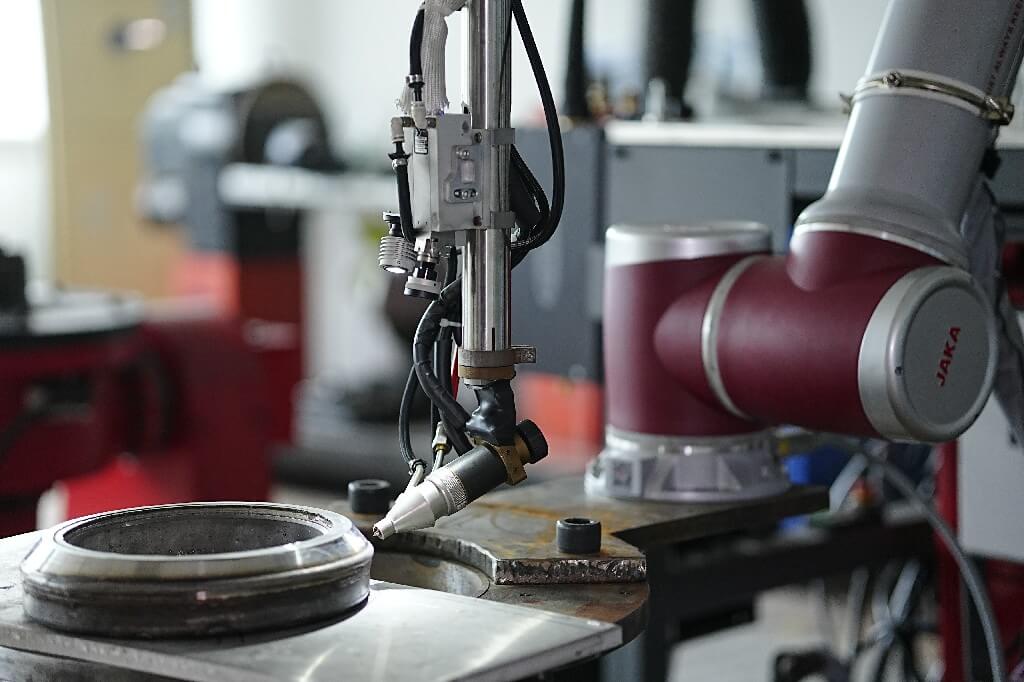
Increased Precision and Quality
Let’s face it — human error can be a costly affair in welding. I remember a project back in 2019 where a critical component failed due to a minor misalignment during manual welding. It set the whole production schedule back by weeks. Industrial welding robots, on the other hand, offer unparalleled accuracy. These machines can deliver consistent welds, eliminating variations that often lead to rework and waste. Are you tired of constant quality checks?
Enhanced Safety in the Workplace
In my years of experience, I’ve seen firsthand the dangerous environments welders often work in. High temperatures, toxic fumes, and heavy equipment—yikes! But with the introduction of robotic systems, tasks that pose serious risks can be automated. This shift not only protects employees but can also reduce workplace accidents. Why not prioritize safety while maximizing efficiency?
What’s Next for Automation?
The landscape of engineering is changing swiftly. Embracing technology like the robotic arm can lead to competitive advantages that are simply unmatched. As businesses adapt, the flexibility of industrial welding robots allows for rapid changes in production lines to meet market demands. Want to stay ahead? When you’re ready to bring in that edge, I recommend you buy a robotic arm that suits your needs.
Cost Efficiency Over Time
Everyone wants to save some cash, right? Initially, the investment in robotic technology might seem daunting—however, the long-term savings are where your bottom line truly benefits. Projects I’ve managed have shown that after the first year, operational costs can drop significantly due to reduced labor and material waste. It’s not just an overhead expense; it’s a strategic investment. What’s holding you back?
Scalability for Future Growth
Many entrepreneurs overlook scalability when setting up their operations. I vividly recall assisting a client back in 2020 who was hesitant to adopt robotics, fearing obsolescence. Fast forward a few years, and their competitors have already made the leap, continuously outpacing their production capabilities. Industrial welding robots not only adapt to current demands but also position your business for future growth. Are you ready to grow with the times?
Conclusion: A Game-Changer in Industrial Welding
The integration of industrial welding robots isn’t merely a trend; it’s a pivotal move towards optimizing operational efficiency and quality. As evidenced, the risks of manual processes, the delay in scalability, and the potential for human errors are pressing concerns. In a competitive market, investing in technology—such as through options to buy a robotic arm—is the intelligent choice. You don’t want to be left behind, do you?
All said and done, your safety, cost, and growth potential hinge on these advancements. Sometimes it’s worth taking that leap. In the world of industrial welding, I firmly believe that evolving toward automation with brands like JAKA is more than just an option; it’s an essential strategy for future success.